
How to Spot Common Roof Damage Indicators | Bison Works
How to Spot Common Roof Damage Indicators Early
Most roof problems do not start with a major leak or a dramatic collapse. In many cases, the earliest warning signs are small, easy to miss, and often ignored until the damage becomes more serious. That is why homeowners should know how to recognize common roof damage indicators early. Your roof protects your home from rain, wind, heat, and seasonal weather changes. But over time, exposure to the elements can wear roofing materials down. Storms, poor drainage, aging shingles, and hidden moisture can all create problems that grow quietly in the background. By learning what to look for, homeowners can take action earlier and reduce the risk of expensive repairs later.
What Are the Most Common Roof Damage Indicators Homeowners Should Watch For?
Some of the most common roof damage indicators appear on the outside of the home, while others show up indoors. The key is paying attention to any change that suggests your roof may no longer be performing the way it should.
Spring Projects Start Now
Reserve BisonWorks before the end of March and Save $250 off that Spring Reservation
Common indicators include:
- missing, cracked, or curling shingles
- dark spots or uneven areas on the roof
- sagging rooflines
- granules collecting near downspouts
- recurring gutter overflow
- water stains on ceilings or walls
- mold, mildew, or musty odors indoors
- exterior moisture marks near the roofline
These warning signs may seem minor at first, but they can point to larger roofing issues that need attention. If visible wear is starting to show, it may be time to have the roofing system looked at more closely before small damage spreads further.
How Can Missing or Curling Shingles Indicate Roof Damage?
Shingles are one of the clearest visual clues that a roof may be deteriorating. When shingles begin to curl, crack, lift, or go missing, they leave the roof more exposed to water intrusion and weather damage.
Curling shingles often suggest age, heat exposure, or moisture-related wear. Missing shingles can create direct weak points where rain and wind can get underneath the roofing material. Even if only a small area appears damaged, it can still lead to bigger issues below the surface.
Because shingles act as the outer protective layer of the roof, any visible damage to them should be taken seriously.
What Interior Warning Signs May Point to Roof Damage?
Not all roof damage can be seen from outside. In many homes, the first signs appear indoors. Water can travel through the roofing system, decking, insulation, and ceiling areas before the source becomes obvious.
Interior warning signs may include:
- water stains on ceilings
- bubbling or peeling paint indoors
- damp drywall
- musty smells in upper rooms or attic spaces
- mold or mildew growth
- unexplained discoloration near corners or vents
These signs may indicate that moisture is already making its way into the home. At that stage, the issue may be more advanced than it appears from the outside.
Can Clogged Gutters or Poor Drainage Be Signs of Roof Problems?
Yes, they can. Many homeowners think of drainage problems as a gutter issue only, but poor water flow can also be a sign that the roof is not shedding water properly. When granules, roofing debris, or repeated overflow start showing up in your gutters, it may suggest roof wear, storm damage, or drainage problems developing along the roofline. Water that does not move off the roof correctly can sit longer than it should, back up near edges, or spill in ways that affect other parts of the home. That is why clogged gutters and roof health are often more connected than homeowners realize.
When Do Common Roof Damage Indicators Require Professional Inspection?
Some signs of roof damage should be checked by a professional right away, especially if they appear suddenly or start getting worse. Homeowners should not wait too long if they notice: services.
- missing shingles after a storm
- visible sagging
- interior leaks or ceiling stains
- repeated drainage issues
- dark patches or soft-looking roof areas
- exterior moisture damage near the roofline
A professional inspection helps determine whether the issue is cosmetic, repairable, or a sign of something more serious. It also helps homeowners avoid guessing, which often leads to delays and larger repair bills later.
What Should Homeowners Do After Noticing Signs of Roof Damage?
If you notice possible damage, the smartest step is to act early rather than hope the problem stays small. Homeowners should:
- take clear photos of visible damage
- check ceilings and attic areas for moisture signs
- note when the issue first appeared
- avoid climbing on the roof themselves
- schedule a professional inspection
Fast action matters because most roofing issues get worse with continued weather exposure. A small weak point today can become a leak, rot issue, or larger repair project after the next storm.
How Do Storm Conditions Make Roof Damage Indicators Worse?
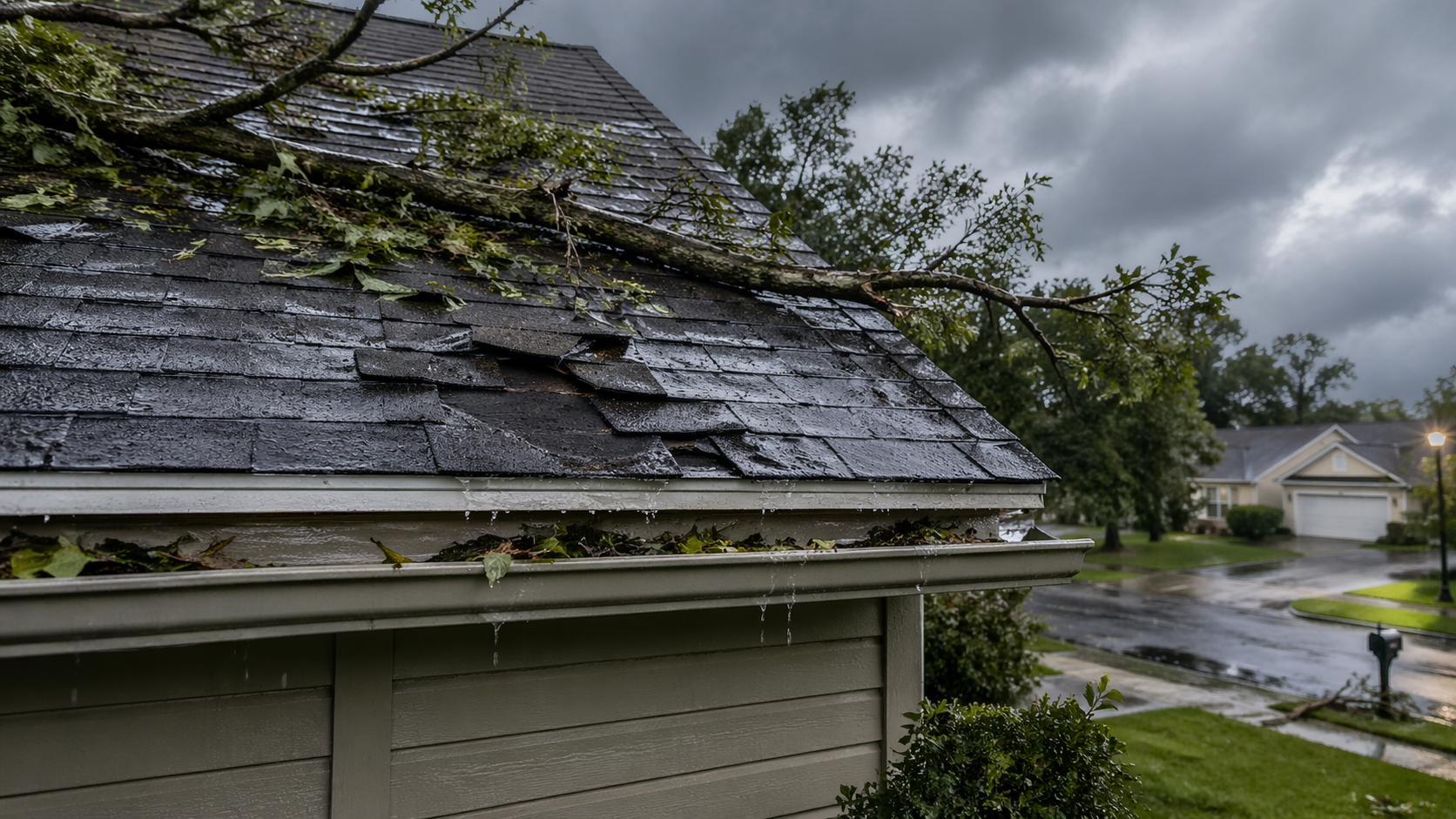
Storms can speed up roof damage in ways that are not always visible right away. High winds can loosen shingles, hail can bruise roofing materials, and heavy rain can expose weak spots that had not yet failed.
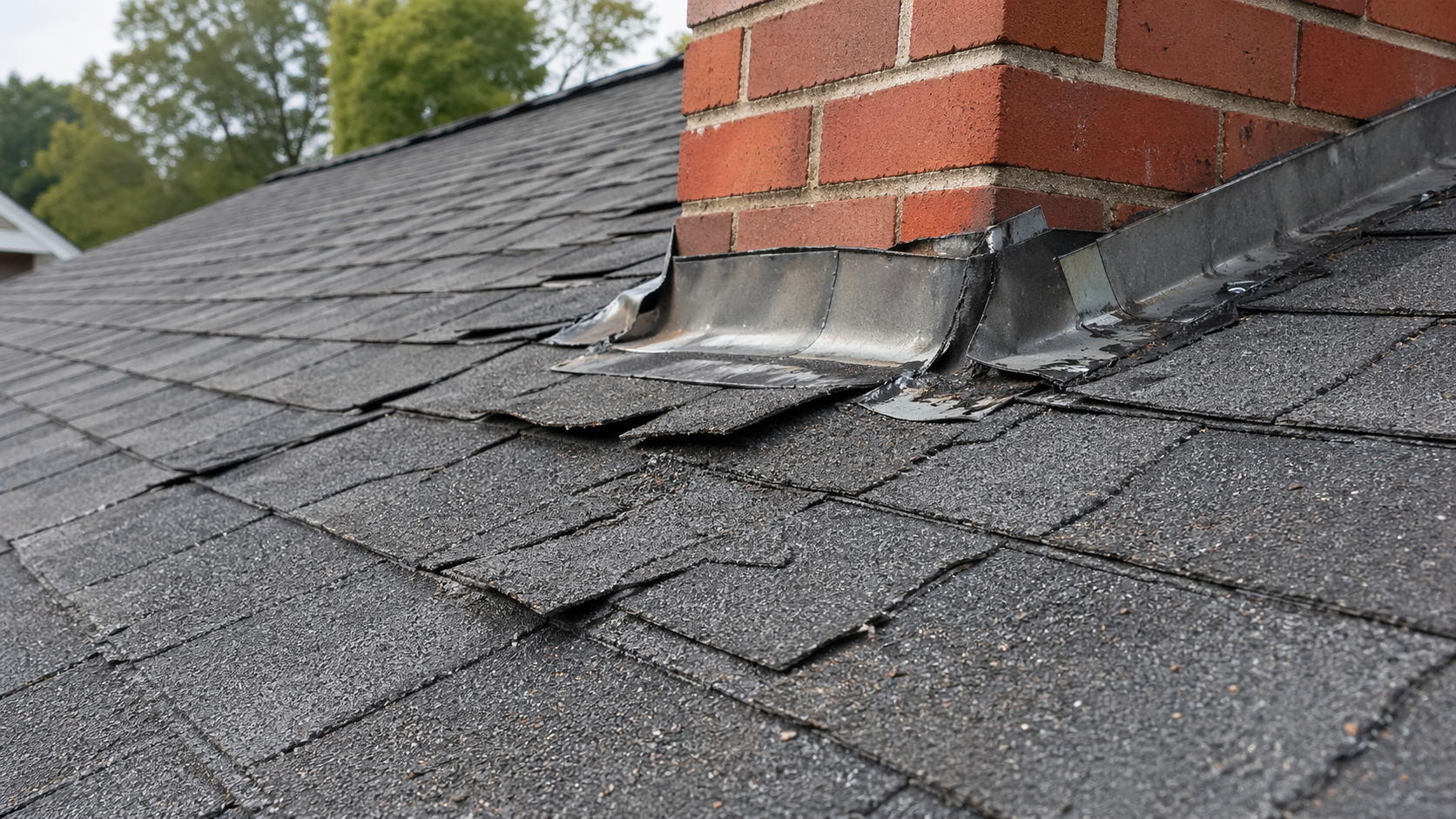
After severe weather, existing minor issues often become bigger ones. A slightly lifted shingle may tear away completely. A weak flashing area may begin leaking. A drainage issue may become overflow. That is why post-storm inspections are so important, even when the roof looks mostly normal from the ground. Storm damage can also push water toward other exposed areas of the home, especially where roof edges, trim, and wall surfaces meet.
Can Roof Damage Indicators Affect Siding, Paint, or Other Exterior Areas?
Absolutely. Roof problems do not always stay limited to the roof itself. If water is not draining properly or moisture keeps reaching the same areas, nearby exterior surfaces can start showing signs of wear too. Sections of siding may develop stains, streaking, or moisture-related damage if runoff keeps spilling where it should not.
In other cases, painted trim, fascia, or soffits may begin peeling or fading faster because of repeated exposure to roof-related moisture. These exterior clues can sometimes help homeowners spot a roofing issue earlier, especially when the roof itself is harder to inspect visually.
Why Early Detection Matters
The biggest reason to watch for common roof damage indicators is simple: early action usually costs less than delayed action. When issues are identified early, repairs are often more manageable. Homeowners have a better chance of addressing damaged shingles, flashing concerns, or drainage problems before they lead to interior water damage or structural deterioration. Early detection also gives homeowners more control. Instead of reacting during an emergency, they can make informed decisions before the problem becomes urgent.
Final Thoughts
Learning how to spot common roof damage indicators early can help protect your home, reduce future repair costs, and prevent small issues from becoming major ones. Missing shingles, interior stains, poor drainage, storm damage, and exterior moisture marks are all signs worth paying attention to. The earlier these indicators are recognized, the easier it is to take the right next step. And when damage is caught early, homeowners are in a much stronger position to protect not only the roof, but also the other exterior systems connected to it.
FAQs
1. What are the most common roof damage indicators?
Common roof damage indicators include missing or curling shingles, water stains on ceilings, sagging rooflines, clogged gutters, and visible storm-related wear. clogged gutters
2. Can missing shingles lead to bigger roofing problems?
Yes. Missing shingles expose the roof to moisture and weather, which can lead to leaks, underlayment damage, and more costly repairs.
3. Are interior stains always a sign of roof damage?
Not always, but they can be a strong warning sign. Water stains, damp spots, or musty odors may point to hidden moisture entering through the roof. services
4. Can clogged gutters be connected to roof damage?
Yes. Overflowing gutters, roofing granules, and drainage issues can sometimes indicate roof wear or water-flow problems along the roofline.
5. When should I call a professional for roof damage signs?
You should call a professional if you notice storm damage, leaks, sagging, missing shingles, or repeated moisture issues inside or outside the home.